
Every January, we’re flooded with big promises: exercise every day, eat perfectly, never feel pain again. But when it comes to joint health, real progress doesn’t come from extreme resolutions — it comes from small, sustainable changes that respect how your body actually works.
Whether you live with arthritis, an autoimmune condition, or recurring joint pain, the new year is a great time to reset habits, review what’s working, and plan ahead with intention rather than pressure. Here are six simple, realistic resolutions that can genuinely improve joint health in 2026.
1. Move a Little, Every Day
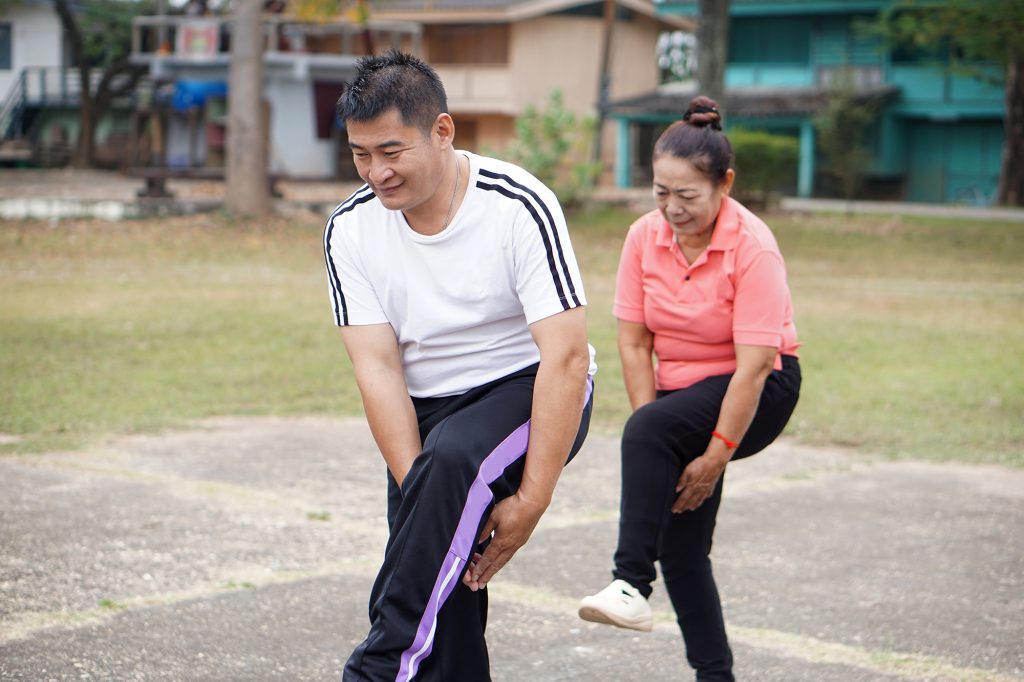
You don’t need intense workouts to protect your joints. In fact, consistency matters far more than intensity.
Why it helps: Movement keeps joints lubricated, strengthens supporting muscles, and reduces stiffness. This is especially important for osteoarthritis and inflammatory arthritis, such as rheumatoid arthritis and psoriatic arthritis.
Simple ways to start:
- 10–20 minutes of walking most days
- Gentle stretching in the morning or before bed
- Low-impact activities like swimming, yoga, or tai chi
Remember: Rest helps pain, but movement protects joints.
2. Pay Attention to Morning Stiffness
Morning stiffness is one of the most important signals your joints give you. It is also, all too often, the easiest to ignore.
Take note of:
- How long stiffness lasts
- Whether it improves with movement
- Which joints are affected
Stiffness lasting more than 30–60 minutes may suggest inflammatory arthritis and is worth discussing with a rheumatologist.
3. Protect Your Joints at Work and Home
In Singapore’s fast-paced work culture, long hours at desks, poorly positioned screens, and minimal movement can take a quiet toll on joint health.
Joint-friendly habits:
- Adjust your workstation to support a neutral posture
- Take short movement breaks every 30–60 minutes
- Avoid prolonged kneeling, squatting, or heavy lifting without support
Small ergonomic changes can prevent months of unnecessary pain.
4. Support Joint Health from the Inside
What you eat and drink influences inflammation more than many people realise.
Aim for:
- Adequate hydration (especially in air-conditioned environments)
- Balanced meals with vegetables, lean protein, and healthy fats
- Omega-3-rich foods like fish, walnuts, and flaxseed
For conditions like gout, being mindful of alcohol, sugary drinks, and purine-rich foods remains key — especially around celebrations.
5. Don’t “Power Through” Persistent Pain
One of the most common habits rheumatologists see is normalising pain. If joint pain, swelling, or fatigue keeps returning — especially after rest, illness, or stress — it’s your body asking for attention, not toughness.
Early review and diagnosis often mean:
- Less medication in the long run
- Better symptom control
- Lower risk of permanent joint damage
6. Review Your Joint or Autoimmune Care Plan
The start of a new year is an ideal time to reassess long-term management, especially if:
- Your symptoms have changed
- You’ve had flares in the past year
- You’ve been on the same treatment for a long time
- Life circumstances (stress, travel, menopause, pregnancy) have shifted
A thoughtful review helps ensure your care plan still fits your current life, not last year’s version of it.
Turn Your Joint-Health Resolutions into Lasting Habits
Better joint health in 2026 doesn’t require dramatic overhauls. It starts with listening to your body, moving regularly, and reviewing your care with clarity. Small, steady steps now can mean fewer flares, better mobility, and more freedom in the years ahead. Let this be the year you work with your joints — not against them.
At Aaria Rheumatology, we believe joint health is built over time — through informed decisions, personalised care, and realistic goals. Led by Dr Anindita Santosa, we support patients with:
- Comprehensive joint and autoimmune assessments
- Thoughtful review of long-term treatment plans
- Lifestyle and flare-prevention guidance alongside medical care
- Forward planning for work demands, travel, and life transitions
Our aim is not perfection — it’s progress, comfort, and confidence. If you are ready to turn good intentions into sustainable joint-health habits, book a consultation with us to take the next step towards long-term joint health.
Disclaimer:
This article is for educational purposes only and does not replace medical advice. Please consult a qualified healthcare professional for personalised recommendations.
Related Articles
- Start Your 2026 Right: Review Your Autoimmune Treatment Plan
- Tips by a Rheumatologist for Strong, Healthy Joints!
- When Joint Pain Isn’t Just Ageing: Early Signs of Arthritis
External References