

Travel is something many of us look forward to—whether it’s a short getaway during the school holidays or a long-awaited overseas trip. However, for individuals living with arthritis or autoimmune conditions, travel can sometimes bring unexpected challenges.
Long flights, changes in weather, disrupted routines and increased physical activity can all contribute to joint stiffness, fatigue or even flare-ups.
The good news is that arthritis does not mean giving up travel. With a bit of planning and awareness, most people can travel comfortably and confidently.
If you’ve been hesitant about travelling because of joint symptoms, understanding how your body responds—and how to prepare—can make all the difference.
Key Takeaways
- Long periods of sitting can increase joint stiffness
- Cold environments may worsen joint discomfort
- Movement, hydration and pacing are key to preventing flares
- Planning ahead helps reduce stress and improve comfort
What Happens to Your Joints During Travel?
Travel often combines several factors that affect joint health at the same time.
Prolonged Inactivity
Sitting for long periods—especially during flights or car journeys—can limit joint movement, which leads to stiffness after inactivity, particularly in the:
- Knees
- Hips
- Lower back
Cabin Environment and Hydration
Airplane cabins are typically dry, which can contribute to dehydration. Dehydration may worsen fatigue and general discomfort.
Temperature Changes
Cold environments—whether from air-conditioning or colder destinations—can cause muscles and soft tissues to tighten, increasing joint stiffness.
Disrupted Routine
Changes in sleep patterns, meal timing and medication schedules can affect overall well-being and disease control.
Symptom → Concern → What It May Mean
What Patients Often Notice
- “My knees feel stiff after long flights”
- “My joints ache more in cold places”
- “I feel unusually tired when travelling”
What This Pattern May Suggest
These symptoms are often due to a combination of:
- Reduced movement
- Environmental changes
- Fatigue from travel
In most cases, they are temporary and manageable.
When Might Symptoms Be More Than Travel-Related Discomfort
- Symptoms persist for several days after travel
- Significant joint swelling develops
- Flare-ups become more frequent
If these patterns occur repeatedly during travel, a review of your condition and management plan may be helpful.
How to Prevent Stiffness During Travel
Simple measures can make a significant difference.
Move Regularly
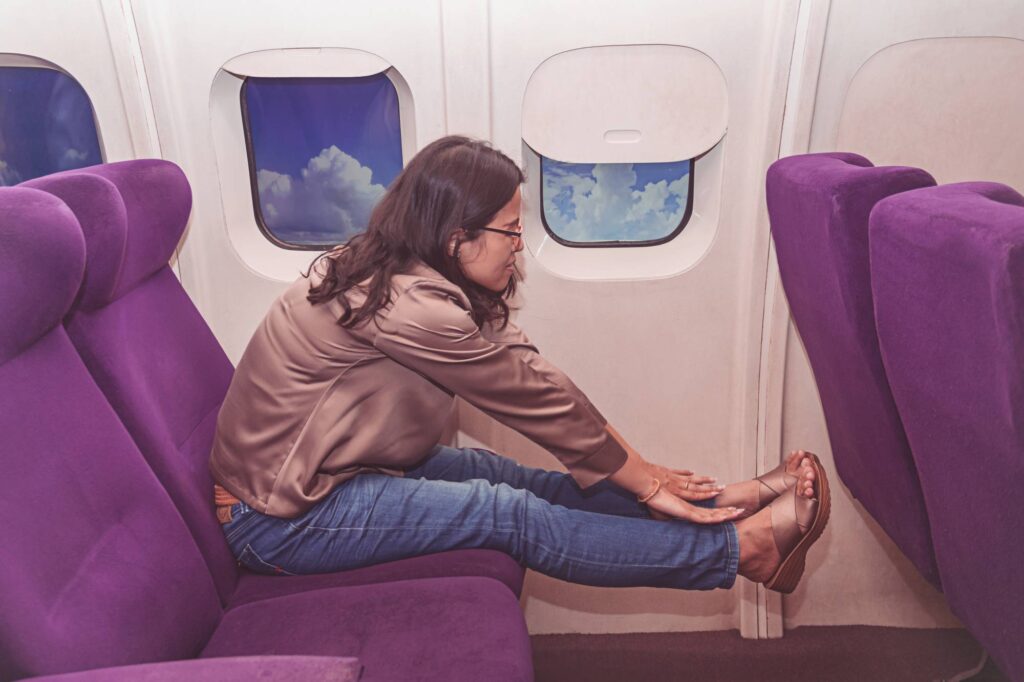
Try to stand, stretch or walk every 1–2 hours during flights.
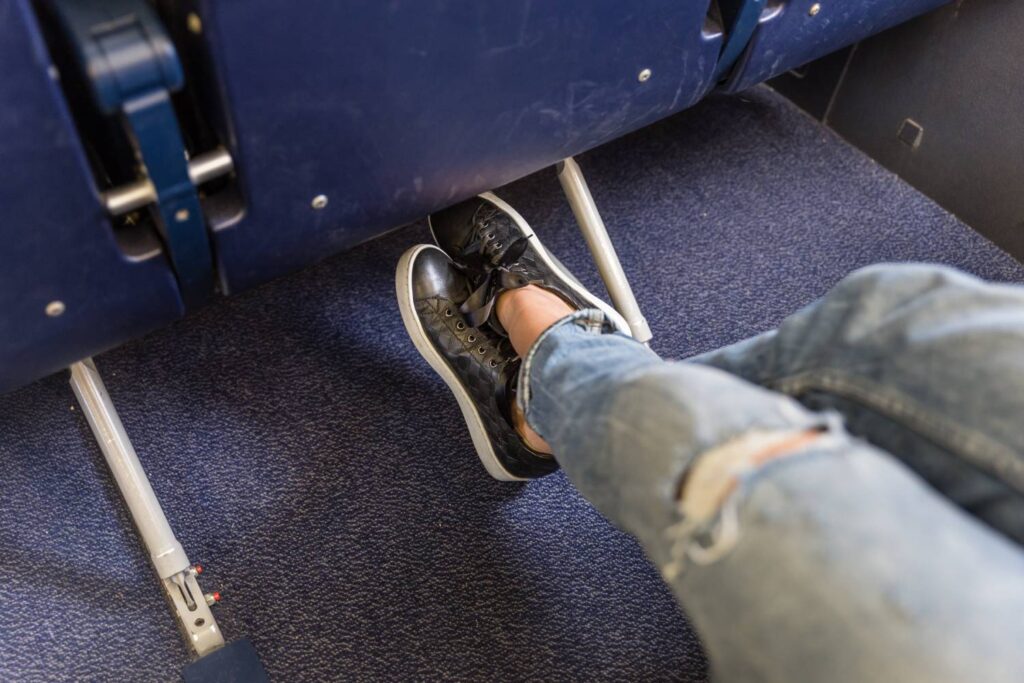
If standing is not possible, seated exercises such as ankle rotations and knee extensions can help maintain circulation.
Stretch Before and After Travel
Gentle stretching before boarding and after arrival helps reduce stiffness.
Choose Comfortable Seating
If possible, select seats with more legroom to allow easier movement.
Preventing Flare-Ups While Travelling
Stay Hydrated
Drink water regularly and limit alcohol or caffeine, which can contribute to dehydration.
Keep Warm
Bring a light jacket or scarf, especially for flights or colder climates.
Pace Your Activities
It can be tempting to do everything at once during a holiday, but pacing is important.
Consider:
- Alternating activity with rest
- Planning lighter days between busy ones
- Listening to your body
Planning a flexible itinerary often leads to a more enjoyable and sustainable travel experience.
Managing Medications While Travelling
Carry Medications in Hand Luggage
Always keep essential medications with you rather than in checked baggage.
Maintain Your Medication Schedule
Time zone changes may require adjustments. If unsure, discuss this before travelling.
Bring Extra Supply
Carry additional medication in case of delays.
When to Seek Medical Advice Before Travelling
You may benefit from a pre-travel review if:
- Your condition has been unstable
- You have had recent flare-ups
- You are starting a new medication
- You are travelling to a significantly different climate
For patients with persistent symptoms or concerns about travel, ongoing disease management can provide reassurance and practical guidance.
How Aaria Rheumatology Can Help with Travel Planning
At Aaria Rheumatology, travel planning is considered part of long-term disease management. During your consultation, your rheumatologist can assess whether your condition is well-controlled for travel, review medication schedules, discuss strategies to minimise stiffness and flare-ups and provide personalised advice based on your itinerary. With the right preparation, most people with arthritis can travel comfortably and confidently while maintaining good disease control and enjoying their journey.
Dr Anindita Santosa, our consultant rheumatologist, works closely with patients to develop practical strategies that support long-term arthritis management, including travel planning. Under her care, patients can travel with greater confidence while maintaining good control of their condition.
If arthritis symptoms are affecting your ability to travel comfortably or enjoy daily activities, contact us today to arrange a consultation and take the next step towards better symptom management.
Frequently Asked Questions (FAQs) About Travelling with Arthritis
Can flying make arthritis worse?
Flying itself does not worsen arthritis, but long periods of sitting can increase stiffness. Regular movement helps reduce this.
How often should I move during a flight?
It is recommended to move or stretch every 1–2 hours where possible.
Is cold weather bad for arthritis?
Cold temperatures may increase stiffness for some individuals, although they do not directly worsen the disease itself.
Should I adjust my medications when travelling?
Some medications may require adjustments across time zones. It is best to discuss this with your doctor before travelling.
Disclaimer
This article is intended for general educational purposes and should not replace personalised medical advice. If you have concerns about travelling with a medical condition, consult a qualified healthcare professional.