

Many people experience skin irritation during hot weather or after exercise. Sweat trapped under the skin can lead to itching, redness, or small bumps known as heat rash.
In tropical climates such as Singapore, these reactions are particularly common due to humidity and frequent sweating.
However, not all rashes triggered by heat or sweating are harmless. Some may be related to allergic reactions, inflammatory skin conditions, or autoimmune diseases.
Understanding the differences between temporary irritation and potentially significant skin symptoms can help individuals decide when medical advice may be helpful.
Key Takeaways
- Heat and sweating commonly trigger temporary skin irritation
- Some rashes may indicate allergic or autoimmune conditions
- Persistent or recurrent rashes should be evaluated
- Specialist assessment can help determine the cause
Common Heat-Related Skin Reactions
Several types of skin reactions may occur when the body becomes overheated or when sweat accumulates under the skin.
Heat Rash
Heat rash occurs when sweat ducts become blocked. This causes small red bumps or itchy patches on the skin.
It is particularly common in hot and humid environments.
Cholinergic Urticaria
Some individuals develop cholinergic urticaria—hives triggered by sweating, exercise, or emotional stress.
These hives typically appear as small itchy bumps and may disappear within an hour.
Sun Sensitivity
Certain conditions make the skin more sensitive to sunlight. Ultraviolet radiation can trigger inflammation and rashes.
When Rashes May Be Immune-Related
Some autoimmune diseases cause characteristic skin changes.
Examples include:
- lupus rashes on sun-exposed areas
- psoriasis plaques on elbows or knees
- autoimmune urticaria (chronic hives)
Unlike heat rash, these rashes often persist longer and may recur repeatedly.
Symptoms That Should Not Be Ignored
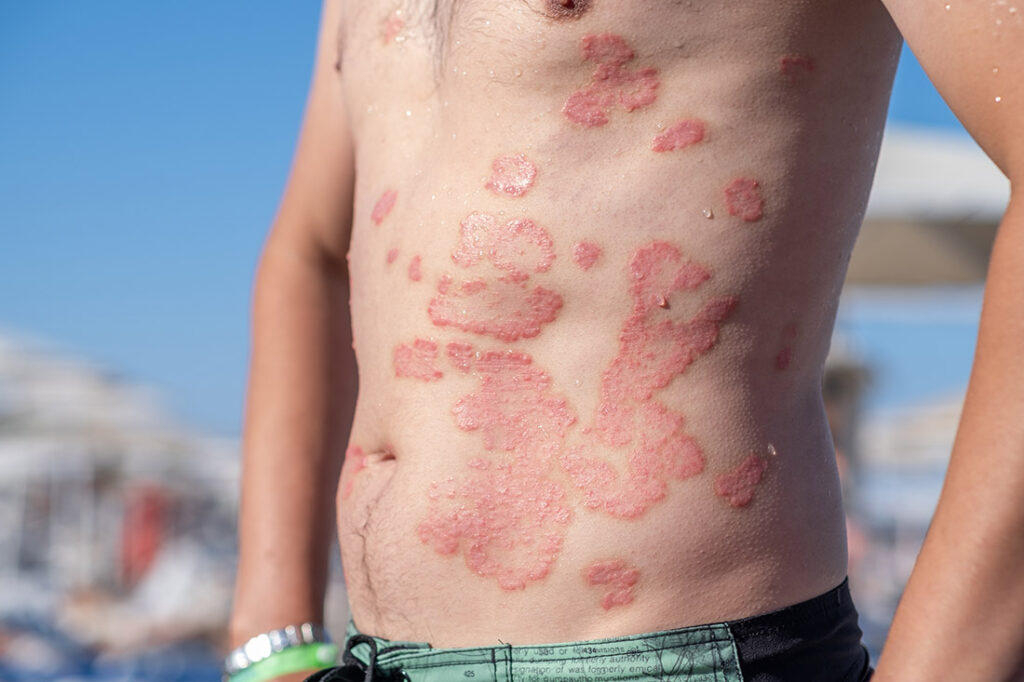
Medical evaluation may be helpful if skin rashes:
- occur repeatedly
- worsen with sunlight
- are accompanied by joint pain or fatigue
- last longer than several weeks
- spread or become increasingly severe
These patterns may indicate an underlying inflammatory or immune condition.
Improve Persistent Skin Rashes at Aaria Rheumatology
While many heat-related rashes are harmless and temporary, persistent or unusual skin symptoms should not be dismissed as simple irritation. Recognising whether a recurring rash is a standalone reaction or part of a broader systemic pattern is the first step toward effective management.
At Aaria Rheumatology, we help patients distinguish between common tropical skin irritations and underlying inflammatory conditions through thorough clinical assessment. Led by Dr Anindita Santosa, our approach focuses on identifying the root cause of your symptoms to ensure you receive a precise diagnosis and a clear treatment path.
If you’re experiencing recurrent rashes that do not resolve with standard cooling measures, contact us to book a consultation today.
Frequently Asked Questions About Heat, Sweat and Skin Rashes
Can sweating cause hives?
Yes. Some individuals develop cholinergic urticaria triggered by heat or sweating.
Does lupus cause skin rashes?
Yes. Lupus can cause rashes, particularly on sun-exposed skin.
When should I see a doctor for a rash?
Persistent or recurrent rashes should be evaluated.
Disclaimer:
This article is intended for educational purposes only and should not replace professional medical advice. If you experience persistent symptoms, please consult a qualified healthcare professional.