
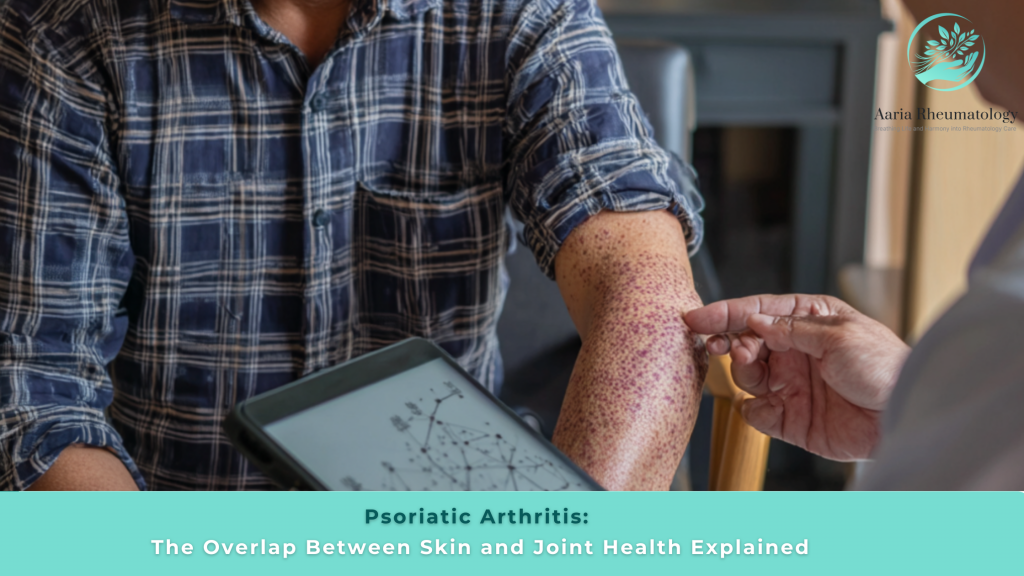
Psoriatic Arthritis: The Overlap Between Skin and Joint Health Explained
Psoriatic arthritis (PsA) is one of the most complex autoimmune conditions because it connects two seemingly separate worlds, the skin and the joints. Many people know psoriasis as a skin condition that causes red, scaly patches. Fewer realize that up to 30% of people with psoriasis may also develop arthritis, creating a double burden of symptoms that can affect both body and mind.
This overlap is not just a medical curiosity, it has real implications for how patients are diagnosed, treated, and supported in everyday life.
What Makes Psoriatic Arthritis Unique?
Unlike rheumatoid arthritis, which mainly targets the joints, PsA bridges dermatology and rheumatology. It causes:
- Skin inflammation: patches of raised, itchy, or painful skin.
- Joint pain and stiffness: often in the fingers, toes, knees, or spine.
- Nail changes: pitting or thickening that may look like fungal infection.
- Enthesitis: inflammation where tendons or ligaments attach to bone.
This combination means that both dermatologists and rheumatologists are often involved in care, underlining the importance of multidisciplinary treatment.
Why Early Recognition Matters
Psoriatic arthritis can progress quickly if left untreated. Chronic joint inflammation may lead to permanent damage within just a few years. Yet, many patients only seek help for skin symptoms and delay reporting joint pain, or they are misdiagnosed as having general arthritis.
Early recognition allows for:
- Preserving mobility and independence
- Preventing irreversible joint damage
- Improving quality of life through targeted therapies
Awareness is crucial, patients and healthcare providers need to connect the dots between skin and joint health.
The Emotional and Social Dimension
Living with PsA can be emotionally taxing. Skin lesions may affect self-esteem, while joint stiffness can impact work, exercise, and daily activities. Together, they may lead to fatigue, anxiety, or depression.
Importantly, many patients feel invisible because the public often underestimates how debilitating PsA can be. Building awareness helps not only in medical care but also in creating social empathy for those living with the condition.
Advances in Treatment
In the past, treatment was limited to pain relief and topical creams. Today, advances in biologics and targeted therapies are changing the landscape:
- Biologics: medicines that specifically target immune pathways causing both skin and joint inflammation.
- JAK inhibitors: oral medications offering new options for resistant cases.
- Lifestyle strategies: balanced diet, exercise, and stress management that complement medical care.
What’s encouraging is that these therapies not only improve skin but also protect joints—treating the disease in its full scope.
The Takeaway
Psoriatic arthritis reminds us that the body doesn’t operate in silos. The skin and joints share immune pathways, which means that inflammation in one area can signal deeper processes at play. Recognizing PsA early, supporting patients holistically, and combining medical innovation with empathy are key to helping people live full, active lives.
At Aaria Rheumatology, our approach integrates dermatology and rheumatology perspectives, because treating PsA is not just about calming the skin or easing the joints, it’s about restoring harmony across the whole person.
#PsoriaticArthritis #Rheumatology #AutoimmuneDisease #SkinAndJointHealth #InvisibleIllness #PatientAwareness #HolisticCare #AariaRheumatology
About the Author
Dr. Anindita Santosa is a Rheumatologist, Allergist, and Clinical Immunologist dedicated to reimagining the way specialty care is delivered across the globe. With a career spanning patient care, academic leadership, and health innovation, she combines scientific rigor with a visionary outlook to bridge the gap between medicine and technology.
As Medical Director of Aaria Rheumatology in Singapore, Dr. Santosa leads with a holistic, patient-first philosophy, ensuring individuals with complex autoimmune and immunological conditions receive care that is compassionate, equitable, and evidence-based. She also serves as Deputy Chairman of the National Arthritis Foundation, advocating for patient empowerment and community-centered approaches to chronic disease.
Disclaimer:
The information shared in this article is for general educational and informational purposes only. It should not be taken as medical advice, diagnosis, or treatment. Readers should not rely solely on this content for managing health conditions. Always consult a qualified healthcare professional for personalized medical guidance. The views expressed here are my own and do not necessarily represent those of any institution or organization I am affiliated with.