
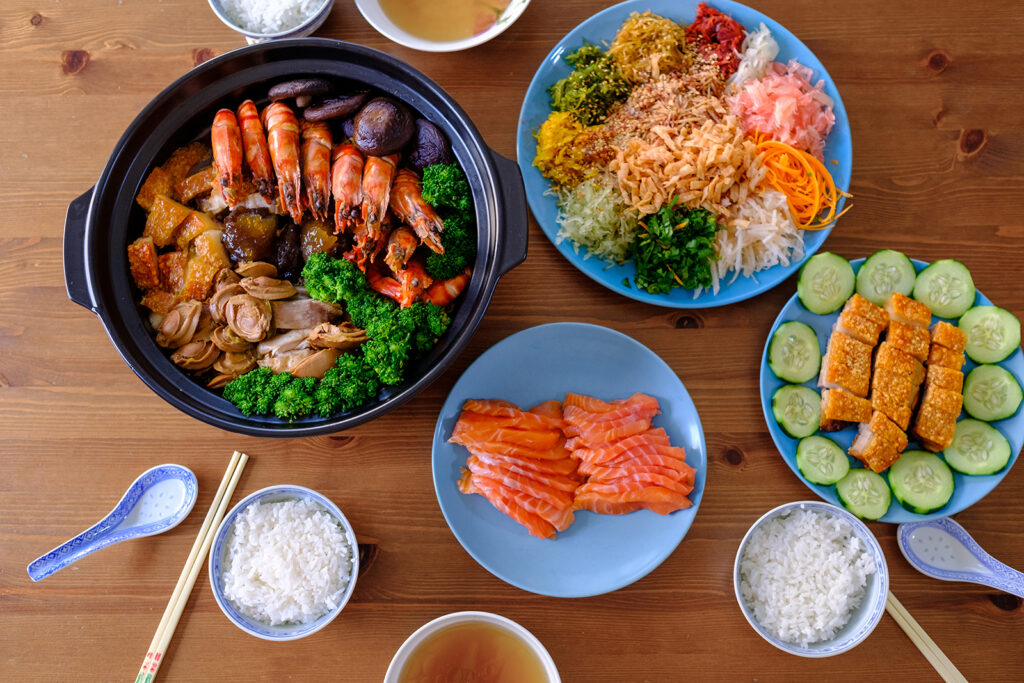
Chinese New Year is a time for reunion dinners, buffet spreads, late nights, and celebration. But for people living with gout, osteoarthritis, or inflammatory arthritis, festive indulgence and disrupted routines can sometimes lead to painful flare-ups.
The good news? With a little planning and awareness, you can enjoy the festivities without inviting joint pain to the celebration.
Here’s what puts your joints at risk during the Lunar New Year—and how to protect them.
Why Chinese New Year Can Trigger Flares
1. Rich, Purine-Heavy Foods
Traditional festive dishes often include:
- Seafood (prawns, scallops, abalone)
- Steamboat broths
- Roast meats
- Organ meats
For people with gout, these foods increase uric acid levels, which can crystallise in joints and trigger sudden, severe pain—often in the big toe, ankle, or knee.
2. Alcohol Intake
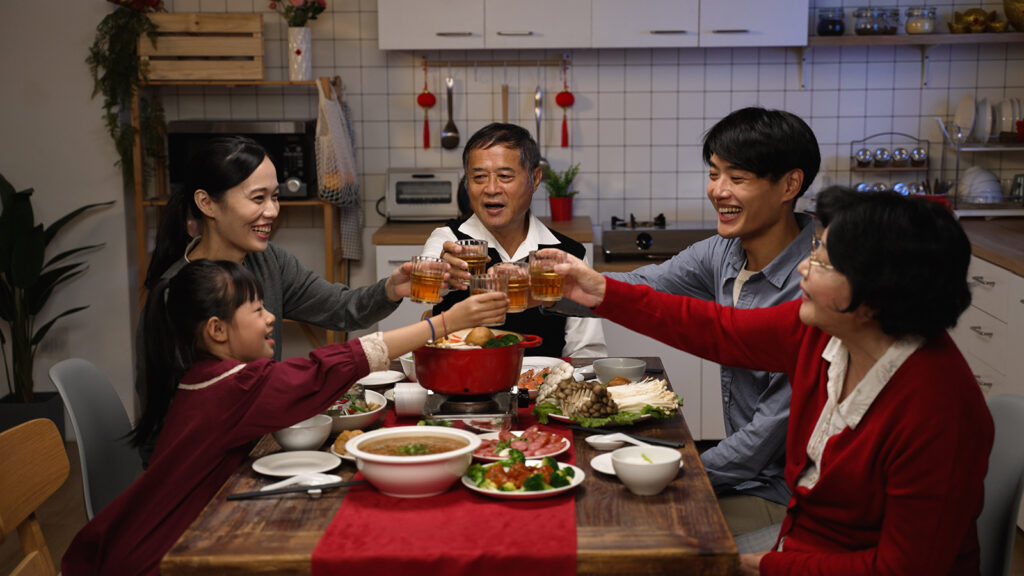
Beer and spirits reduce the kidney’s ability to eliminate uric acid. Even wine and champagne, though less potent triggers than beer, can contribute when consumed in excess.
Festive toasts add up quickly.
3. Irregular Sleep and Late Nights
Sleep deprivation increases inflammatory cytokines. For people with rheumatoid arthritis, psoriatic arthritis, or lupus, this can worsen fatigue and joint stiffness.
4. Travel and Reduced Movement
Long drives, flights, and hours sitting at reunion dinners reduce circulation and increase stiffness, particularly in knees, hips, and the lower back.
5. Medication Disruption
Amid visiting relatives and travelling, some people:
- Forget doses
- Delay urate-lowering medication
- Stop anti-inflammatory drugs prematurely
This can destabilise well-controlled disease.
Preventing Gout Flares During the Festivities
Make Smart Food Swaps
- Choose lean proteins like chicken or tofu over red meat and organ dishes
- Limit shellfish and anchovies
- Enjoy smaller portions of high-purine foods rather than multiple servings
Moderation is more realistic than restriction.
Stay Hydrated
Aim for at least 2 litres of water daily, especially if consuming alcohol. Proper hydration helps flush uric acid.
Drink Mindfully
- Limit beer and spirits
- Alternate alcohol with water
- Avoid binge drinking
Continue Prescribed Medication
Do not stop urate-lowering therapy during festive periods unless advised by your doctor. Prevention is easier than managing a flare during a public holiday.
Preventing Inflammatory Arthritis Flares
Keep Moving
- Take short walks between visits
- Stretch gently in the morning
- Avoid sitting for prolonged periods
Movement reduces stiffness and inflammation.
Protect Your Sleep
- Pace your social schedule
- Aim for consistent rest where possible
- Build quiet breaks into busy days
Stay Warm Indoors
Air-conditioning in crowded homes can worsen stiffness. Light layers or joint sleeves can help.
Celebrate Smart and Comfortably with the Right Support
Chinese New Year is a season of abundance, reunion and renewal. With a little preparation, you can enjoy festive dishes and traditions while protecting your joints and overall health.
Book a medical review if you notice sudden severe joint swelling and redness, stiffness lasting more than an hour each day, repeated gout attacks, or fatigue or rashes alongside joint pain. Early assessment allows timely medication adjustment and reduces the risk of more serious flares.
At Aaria Rheumatology, we recognise that cultural celebrations matter. Care plans should support your lifestyle, not restrict it. Led by Dr Anindita Santosa, our team provides uric-acid monitoring, gout optimisation, flare-prevention planning before festive periods, medication review with safety monitoring, and practical guidance tailored to Singaporean dietary habits.
With informed planning and the right medical support, you can welcome the lunar year in comfort and confidence. Preparation, not panic, is the key to celebrating well.
Disclaimer: