
When Winter Isn’t Just Chilly — It’s Painful
For most people, cold weather means sweaters and hot chocolate. However, for those living with autoimmune rheumatic diseases like lupus or Raynaud’s phenomenon, winter can bring much less pleasant symptoms — joint pain, numb fingers, fatigue, and flare-ups. Cold climates, reduced sunlight, and lower temperatures can all subtly stress the immune system, leading to increased inflammation or poor circulation. If you’re travelling abroad or living somewhere with colder seasons, here’s what you need to know about protecting your body from the winter chill.The Link Between Cold Weather & Autoimmune Flares
1. Blood Vessel Constriction
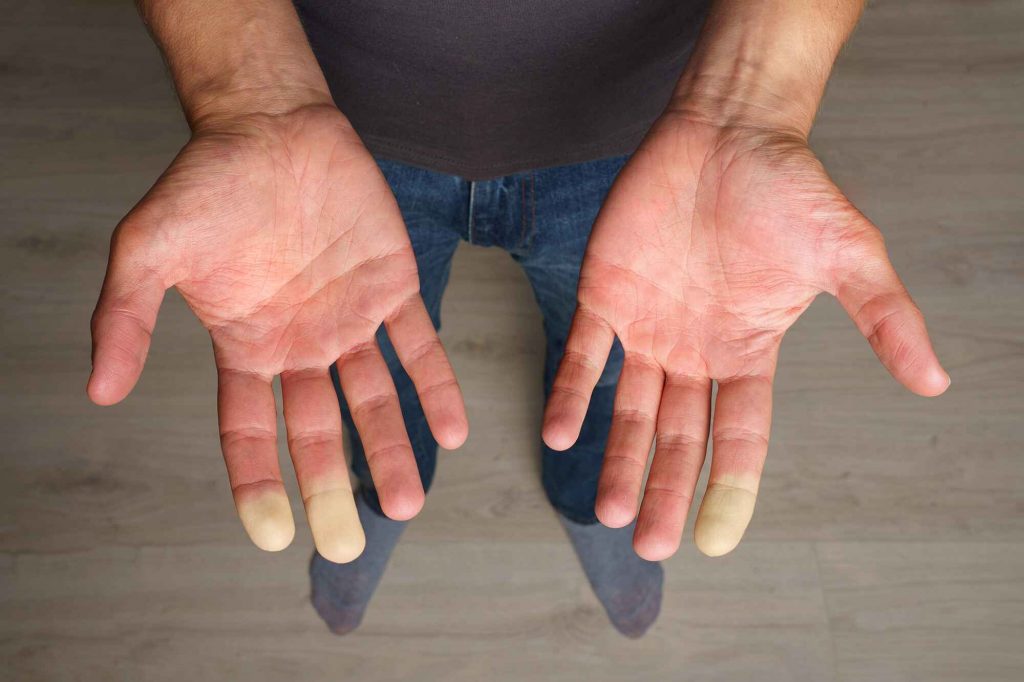
When it’s cold, blood vessels in the body tighten (a process called vasoconstriction) to help keep the body warm. For people with Raynaud’s phenomenon, this tightening is much stronger than usual. As a result, their fingers and toes may turn white or blue, feel cold or painful, and may tingle or throb when they start to warm up again. In Singapore, where the climate is tropical, many patients only notice Raynaud’s during air-conditioned office hours or when overseas — often mistaking it for “poor circulation.”2. Immune System Reactivity
Temperature fluctuations can subtly affect the immune system. Cold exposure boosts stress hormones like cortisol and adrenaline, which can disturb immune balance. In autoimmune conditions such as systemic lupus erythematosus (SLE)</a >, this imbalance may push the immune system into an overactive state, causing inflammation.3. Low Vitamin D Levels
Winter results in reduced sunlight exposure and therefore decreases vitamin D production. Vitamin D is essential for immune regulation — a deficiency can exacerbate fatigue, joint pain, and flare-ups in lupus and other autoimmune conditions.4. Mood and Lifestyle Factors
Shorter days and gloomy weather affect mood, activity levels, and sleep quality. Studies have shown that inactivity and low mood can amplify pain perception and make autoimmune symptoms feel more severe.Lupus in Cold Weather: What Happens
Individuals with lupus frequently report experiencing increased joint pain, stiffness, and fatigue during cold weather. Here’s why:- Peripheral vasoconstriction limits oxygen delivery to tissues, worsening muscle and joint pain.
- Infections (more common in winter) can act as triggers for lupus flares.
- Stress, travel fatigue, and disrupted sleep further destabilise immune regulation.
Raynaud’s Phenomenon: Why Fingers Turn White and Blue
Raynaud’s is more than just cold hands. It’s a vascular condition where small arteries spasm in response to cold or stress, temporarily restricting blood flow. Signs and symptoms:- Fingers or toes turn white, then blue, then red when rewarmed
- Tingling, throbbing, or burning sensations
- Triggered by cold air, emotional stress, or touching cold objects
- Primary Raynaud’s: Occurs on its own, usually mild.
- Secondary Raynaud’s: Linked to autoimmune diseases like lupus or scleroderma — requires medical review, as prolonged attacks can damage tissue.
The UV Factor: Sunlight Still Matters in Winter
Cold weather doesn’t mean you’re protected from the sun. UV rays pass through clouds and reflect off snow, ice, and water — sometimes making exposure even stronger. At high-altitude or snowy locations, this reflection can raise UV levels by as much as 80%. For lupus patients, this matters because UV light is a known trigger for skin rashes, fatigue, and systemic flares. The risk remains even in seemingly overcast conditions. What you can do:- Apply broad-spectrum SPF 50+ sunscreen daily, even on cloudy days.
- Choose UV-protective clothing, hats, and gloves for outdoor activities.
- Reapply sunscreen every 2–3 hours, especially when skiing or hiking.
- Don’t forget lip balm with SPF — photosensitivity can affect the lips too.
How to Stay Warm and Prevent Winter Flares
1. Dress in Layers
- Wear thermal gloves and socks outdoors — consider battery-heated gloves for longer trips.
- Layer thin, breathable fabrics rather than one bulky jacket to trap warmth efficiently.
2. Keep Extremities Warm Indoors
- Avoid direct air-conditioning or holding cold drinks without gloves.
- Use a heated blanket or hand warmers when working in air-conditioned rooms.
3. Support Your Immune System
- Maintain regular exercise to improve circulation.
- Monitor vitamin D levels and consider supplementation under medical advice.
- Eat anti-inflammatory foods rich in omega-3 fatty acids, such as salmon and walnuts.
4. Manage Stress and Sleep
- Prioritise rest, relaxation, and light exposure — morning sunlight helps reset circadian rhythm.
- Practise mindfulness or breathing exercises to reduce stress-induced vascular spasm.
When to See a Rheumatologist
You should seek medical review if you notice:- New or worsening Raynaud’s symptoms (especially ulcers or persistent colour changes)
- Lupus flares — such as rash, fatigue, or joint swelling
- Persistent cold intolerance or numbness
- Blue or painful digits that don’t recover quickly when rewarmed
How Aaria Rheumatology Can Help
At Aaria Rheumatology, we understand how weather and environment can affect autoimmune diseases. Our clinic offers:- Comprehensive autoimmune evaluation including lupus and Raynaud’s testing
- Personalised medication and flare-prevention plans
- Vitamin D and vascular health monitoring
- Lifestyle guidance tailored to Singapore’s climate — and for those travelling abroad
Weather May Change, But Your Health Doesn’t Have To
For people with autoimmune diseases like lupus and Raynaud’s, cold weather can be a challenge — but not a limitation. By understanding how temperature affects your body and taking simple precautions, you can keep circulation flowing, inflammation down, and your health on track wherever you go.
Disclaimer:
This article is for educational purposes and should not replace medical advice. Please consult a qualified healthcare professional if you experience worsening symptoms in cold weather.
Related Articles
- Travelling with Arthritis: How to Prevent Stiffness, Swelling, and Flare-Ups on the Go
- When Joint Pain Isn’t Just Age – Recognising Early Signs of Arthritis
External References