
By Dr Anindita Santosa, Consultant Rheumatologist
Related Articles:
Disclaimer: This article provides general health information and should not be used as a substitute for medical advice. Always consult a qualified healthcare professional before making any changes to your medication or treatment plan.
References:
The Vacation Buzzkill You Didn’t Plan For
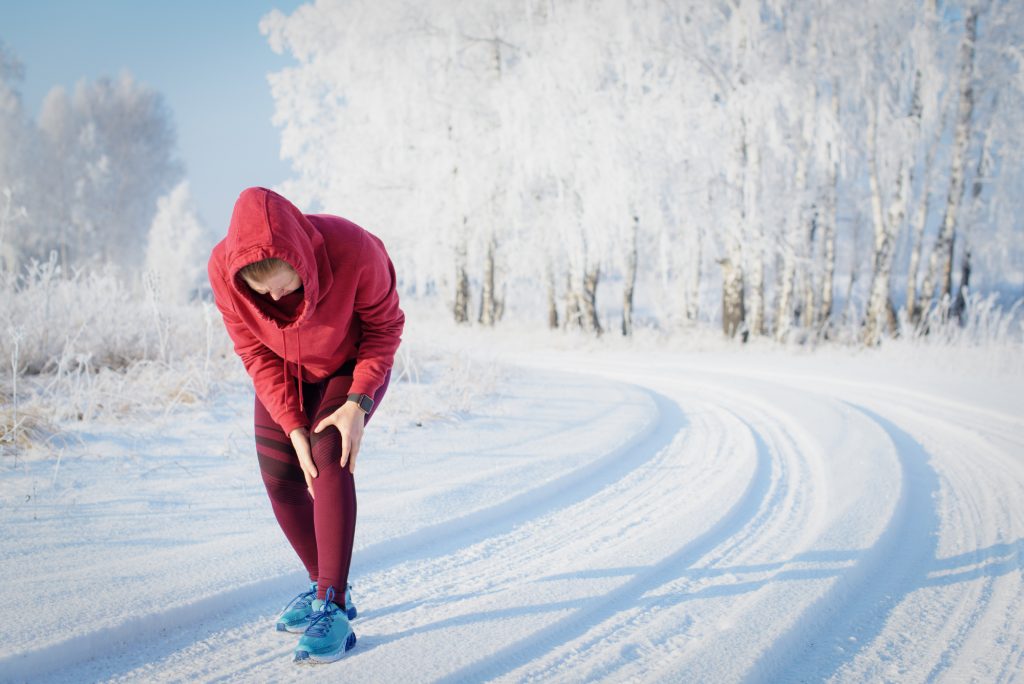
You’ve packed your coats, scarves, and thermal socks — but as soon as you arrive some place cold, your knees begin to ache or your fingers stiffen. Sound familiar? For many people with arthritis or joint sensitivity, cold weather isn’t just uncomfortable — it can genuinely worsen pain and stiffness. But the reason isn’t simply “old bones and icy air’. There’s genuine physiology behind why your joints protest when temperatures drop. Let’s explore what occurs inside your body, how to safeguard yourself during that winter holiday, and when to seek assistance.The Science: How Cold Weather Affects Your Joints
1. Reduced Blood Flow
When it’s cold, your body redirects blood flow to vital organs to conserve heat. That means less circulation to your hands, feet, and joints — leading to stiffness and sluggish movement.2. Thicker Joint Fluid
Joints are lubricated by synovial fluid, which functions most effectively at warm body temperatures. Cold conditions can cause this fluid to become slightly thicker, reducing its cushioning ability and increasing friction between joint surfaces.3. Muscle Tightness
Cold weather causes muscles to contract and tighten, which can pull on the joints and increase discomfort. This is particularly noticeable in the neck, shoulders, and knees.4. Barometric Pressure Changes
Just as in humid or rainy weather, falling barometric pressure (common in cold fronts) can cause tissues to expand slightly. For already inflamed joints, this expansion adds extra pressure and pain. There’s also a psychological and lifestyle aspect to cold-weather pain. On cold, rainy days, patients may be less likely to go out and stay active. Inactivity causes joints to stiffen and muscles to weaken — a recipe for more discomfort. And beyond the physical, mood also plays a role. Gloomy weather can decrease serotonin levels and contribute to what some call the “winter blues.” When we feel down or sluggish, we tend to focus more on pain, making it seem worse. In short, cold affects both body and mind, and arthritis feels more intense when both are under stress.Who Feels It Most?
You’re more likely to feel weather-related pain if you have:- Osteoarthritis: Cold worsens stiffness and reduces mobility.
- Rheumatoid arthritis or lupus: Inflammation and poor circulation amplify pain.
- Fibromyalgia: Heightened nerve sensitivity makes you feel temperature changes more intensely.
- Previous joint injury or surgery: Scar tissue and nerve endings can react to cold more acutely.
Practical Tips: Staying Warm and Pain-Free Abroad
Layer Smartly
- Dress in thermal base layers, gloves, and thick socks to retain body heat.
- Keep joints covered — knees, elbows, and hands lose heat quickly.
Keep Moving
- Don’t stay still for too long, even indoors. Gentle stretching every hour helps circulation.
- Try hotel-room yoga or brisk walks to keep joints lubricated.
Warm Up Before Heading Out
- Use a warm compress or soak in a hot shower before going outdoors.
- Move joints through the full range of motion before stepping into the cold.
Mind Your Hydration
Cold weather can make you feel less thirsty, but dehydration thickens joint fluid and worsens joint stiffness. Drink water regularly, even if you don’t feel parched.Don’t Skip Medication
Bring your arthritis medication or pain relief plan with you — including topical anti-inflammatories or patches. Don’t wait until you’re in pain to take action.When to See a Rheumatologist
Cold-induced stiffness is common, but you should see a rheumatologist if:- Joint pain persists even after returning to a warm climate
- Swelling or redness appears
- Pain wakes you from sleep or limits daily movement
- You experience fatigue, fever, or unexplained weight loss
How Aaria Rheumatology Can Help
At Aaria Rheumatology, we recognise that your joints don’t take holidays — nor does arthritis. Our care approach combines:- Comprehensive assessment to identify the cause of your weather-related pain
- Personalised travel preparation plans for patients with arthritis
- Medication and lifestyle adjustments to prevent flares during travel
- Education on self-management for different climates and conditions
Conclusion: Stay Warm, Stay Moving
Cold weather doesn’t have to cause painful joints. By understanding how your body responds and planning ahead, you can enjoy your winter travels without letting arthritis spoil your fun.Related Articles:
- Why Your Joints Hurt More When It Rains – Understanding Weather and Arthritis
- Everyday Habits to Protect Your Joints
- When Joint Pain Isn’t Just Age – Recognising Early Signs of Arthritis
Disclaimer: This article provides general health information and should not be used as a substitute for medical advice. Always consult a qualified healthcare professional before making any changes to your medication or treatment plan.
References: