
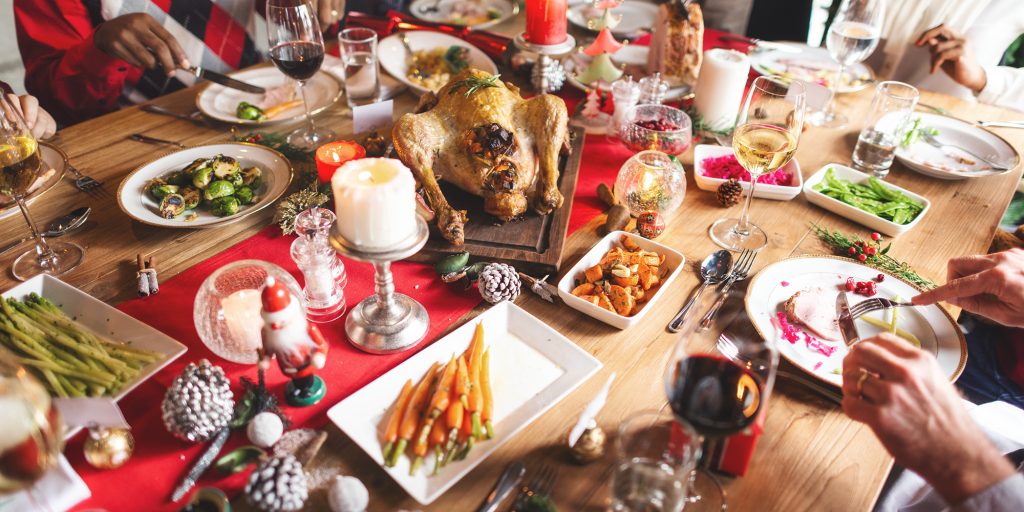
When Celebration Meets Inflammation
The holidays are a time for warm reunions, delicious buffets, and joyful toasts. But for those living with gout, indulgence can sometimes mean more than just a fuller plate — it can bring swollen toes, burning pain, and restless nights long after the celebration ends. If you’re navigating this, know you’re not alone, and there are ways to enjoy the season without sacrificing comfort. Gout doesn’t mean you can’t enjoy good food. It means understanding what triggers flares and making smart swaps that keep both your palate and your joints happy. Let’s explore what occurs when uric acid accumulates, why holiday habits exacerbate the issue, and how you can organise a guilt-free festive season.What Happens in Gout — and Why It Flares During the Holidays
Gout is a type of arthritis caused by too much uric acid in the blood. When levels become too high for too long, sharp crystals form in the joints — most often in the big toe, ankle, or knee — leading to sudden, intense pain and swelling.Why It Strikes During Festive Seasons
- Rich Food Choices: Red meat, organ meats, shellfish, and certain seafood (anchovies, sardines) are high in purines — compounds that raise uric acid.
- Alcohol: Beer, spirits, and even champagne reduce uric acid excretion by the kidneys.
- Sugary Drinks: Sweetened beverages with fructose (like soft drinks or bubble tea) also increase uric acid production.
- Dehydration: Long days of socialising and travel often mean not drinking enough water.
- Missed Medications: Many forget or delay taking their regular uric acid–lowering tablets during busy periods.
How to Eat (and Drink) Smart This Holiday
1. Choose Your Protein Wisely
- Choose lean poultry, tofu, or eggs instead of red or organ meats.
- Enjoy seafood in moderation — opt for white fish rather than shellfish and anchovies.
- Avoid the gravy: it often contains concentrated purines from meat drippings.
2. Stay Hydrated
Drink plenty of water, especially if you’re consuming alcohol. Hydration helps the kidneys flush out uric acid. Aim for two litres daily, and more if you’re travelling or in air-conditioned environments.3. Mind the Drinks
- Beer and spirits are potent gout triggers.
- If you consume alcohol, do so in moderation — wine is less likely to cause a flare-up, but it’s still advisable to limit it to one or two glasses.
- Alternate each alcoholic drink with a glass of water.
4. Go Easy on Sweet Treats
Holiday desserts and sugary drinks increase uric acid and inflammation. Choose fruit-based desserts or share smaller portions of indulgent treats.5. Keep Moving
A gentle walk after hearty meals aids digestion, boosts circulation, and prevents uric acid buildup — plus, it’s an excellent way to counteract festive overindulgence.When to Check Your Uric Acid
Even if you haven’t experienced a flare recently, high uric acid can silently damage joints and cause kidney stones. The festive season is an ideal time to:- Review your latest uric acid levels (the target is usually <360 μmol/L for most patients).
- Discuss dosage adjustments or prophylaxis with your rheumatologist before year-end gatherings.
- Refill prescriptions before travelling — missing urate-lowering medication can destabilise your levels.
How Aaria Rheumatology Can Help
At Aaria Rheumatology, we support you in confidently managing gout throughout the holiday season and beyond.- Comprehensive gout and uric acid assessment
- Personalised treatment optimisation so you can enjoy your travel or festive periods
- Dietary and lifestyle advice tailored to your habits and cuisines
- Ongoing monitoring and long-term management to prevent recurrent flares or tophi
Celebrate Smart, Not Sorry
You don’t need to fear festive food — just understand your limits and plan ahead. With smart choices, proper hydration, and a reviewed treatment plan, you can enjoy every reunion dinner, toast, and holiday feast without inviting gout to the party.
Disclaimer:
This article is for general educational purposes and does not replace medical advice. Please consult a rheumatologist before making any changes to your gout medication or diet.
Related Articles
- Gout-Friendly Eating: Dos and Don’ts for Better Health
- Preventing Gout Attacks: Tips from a Joint Specialist on Diet, Exercise and More
External References