
Urticaria Treatment in Singapore
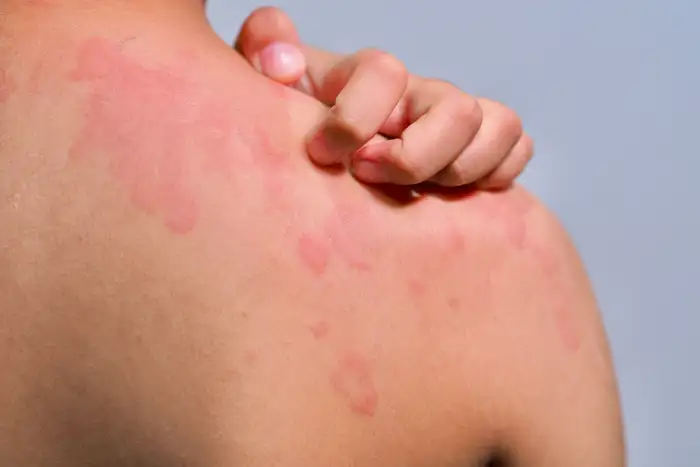
Urticaria, commonly known as hives, is a condition characterised by the sudden appearance of red, itchy welts on the skin. These welts can vary in size and shape and often appear and disappear within hours.

What is Urticaria?
Urticaria is a common skin condition that affects up to 20% of people at some point in their lives. It can be acute, lasting less than six weeks, or chronic, persisting for more than six weeks. Urticaria can occur in response to various triggers, including allergens, stress, infections, and certain medications.
Key Characteristics
- Red, Itchy Welts – The most notable feature, which can vary in size and shape.
- Sudden Onset – Welts appear quickly and can disappear just as suddenly.
- Transient Nature – Individual welts usually last less than 24 hours, although new ones can continue to appear.

Symptoms of Urticaria
The symptoms of urticaria can range from mild to severe and may be accompanied by other signs, depending on the cause and individual response.
Common symptoms include:

Common Symptoms
- Red or Flesh-Colored Welts – Raised areas on the skin that can be round, oval, or irregular in shape.
- Intense Itching – A major symptom that can cause significant discomfort.
- Swelling– Especially around the eyes, lips, hands, feet, and throat.
- Pain or Burning Sensation – Sometimes associated with more severe cases.
Severe Symptoms
- Anaphylaxis – A severe allergic reaction that can accompany urticaria, characterised by difficulty breathing, swelling of the throat, rapid heartbeat, and a drop in blood pressure. This requires immediate medical attention.

Causes and Risk Factors
The exact cause of urticaria can often be difficult to pinpoint, as it can result from a variety of factors.
Allergic Reactions
- Foods – Common allergens include nuts, shellfish, eggs, and milk.
- Medications – Such as antibiotics, aspirin, and nonsteroidal anti-inflammatory drugs (NSAIDs).
- Insect Stings or Bites – Particularly from bees, wasps, and ants.
- Pollen – From trees, grasses, and weeds.
Physical Triggers
- Pressure – Tight clothing or prolonged sitting can trigger pressure-induced urticaria.
- Temperature – Exposure to cold or heat, such as cold water or sunlight.
- Exercise – Physical activity can induce symptoms in some individuals.
- Water – Known as aquagenic urticaria, it is a rare condition where contact with water triggers hives.
Other Triggers
- Infections – Viral infections such as the common cold, hepatitis, or mononucleosis.
- Stress – Emotional stress can exacerbate symptoms.
- Chronic Conditions – Autoimmune diseases, thyroid disorders, and other chronic illnesses.

Diagnosis for Urticaria
Diagnosing urticaria involves a comprehensive evaluation by a healthcare professional, including:
Symptom Inquiry
Detailed questions about the onset, duration, and severity of symptoms.
Allergy History
Inquiry into any known allergies, recent changes in diet, or new medications.
Skin Examination
To look for the characteristic welts and any accompanying swelling.
Trigger Identification
Efforts to identify possible triggers based on the patient’s history and symptoms.
Blood Tests
To check for underlying conditions such as thyroid disease or infections.
Allergy Tests
Skin prick tests or blood tests to identify specific allergens.
Challenge Tests
Controlled exposure to suspected triggers under medical supervision.

Urticaria Treatment Options
The treatment of urticaria aims to relieve symptoms, prevent recurrences, and address any underlying causes. Treatment options include:

Medications
- Antihistamines – First-line treatment to reduce itching and swelling. Non-drowsy options include cetirizine, loratadine, and fexofenadine.
- Corticosteroids – For short-term use in severe cases to reduce inflammation.
- Leukotriene Receptor Antagonists – Such as montelukast, are used in cases where antihistamines are insufficient.
- Immunosuppressants – Such as cyclosporine, for chronic and severe urticaria.
- Biologic Agents – Omalizumab, an anti-IgE antibody, is used for chronic spontaneous urticaria that is unresponsive to other treatments.

Lifestyle Modifications
- Identify and Avoid Triggers – Keep a diary to track what seems to worsen your symptoms.
- Stress Management – Techniques such as meditation, yoga, or deep breathing exercises.
- Clothing Choices – Wear loose-fitting, breathable clothing to avoid pressure-induced hives.

Supportive Care
- Cool Compresses – Apply to the affected areas to reduce itching and swelling.
- Oatmeal Baths – Soothing baths to relieve itching and discomfort.
- Moisturisers – Regular use to maintain skin hydration.

Managing and Living with Urticaria
Living with urticaria involves a combination of medical treatment, lifestyle changes, and self-care strategies. Here are some tips:
Take medications as prescribed by your healthcare provider to control symptoms and prevent flare-ups.
Keep a symptom diary to help identify triggers and track the effectiveness of treatments.
Schedule regular visits to your healthcare provider to monitor your condition and adjust treatment as needed.
Eating a diet rich in fruits, vegetables, whole grains, and lean proteins to support overall health.
Drink plenty of water to keep your skin hydrated and healthy.
Practice stress-reduction techniques such as meditation, deep breathing exercises, and mindfulness to help manage symptoms.
Once identified, avoid known triggers to prevent flare-ups.
Have a plan in place for managing severe allergic reactions, including carrying an epinephrine auto-injector if prescribed.
Urticaria can be a challenging and uncomfortable condition, but with the right management strategies, it is possible to control symptoms and maintain a good quality of life. Early diagnosis and treatment are crucial in preventing complications and improving outcomes. If you or a loved one is experiencing symptoms of urticaria, seek medical evaluation and guidance promptly. By working closely with your healthcare team and adhering to treatment plans, you can effectively manage urticaria and lead a fulfilling life.
Get Personalised Urticaria Care with Dr Anindita Santosa
Individual hives may fade within hours, yet new welts can continue to appear and recurring itching or swelling can become difficult to manage. Distinguishing a brief acute episode from chronic or physically triggered urticaria helps determine which investigations and treatments are appropriate. A clear management plan can control symptoms and reduce the disruption caused by repeated flare-ups.
At Aaria Rheumatology, care considers how long your hives have persisted, possible triggers, symptom severity and response to previous treatments. Allergist Dr Anindita Santosa reviews your medical history, symptom pattern and relevant test results before recommending an individualised approach.
If itchy welts or swelling keep returning or persist for more than six weeks, contact us today to book an appointment.
