
Bone Health Assessment in Singapore
Maintaining healthy bones is essential for preserving mobility, independence and overall quality of life. However, it is not always easy to recognise when bone health has begun to decline, particularly as many conditions affecting the bones develop silently over time. At Aaria Rheumatology, we combine clinical assessment with appropriate investigations to identify reduced bone density, assess fracture risk and support long-term bone health.

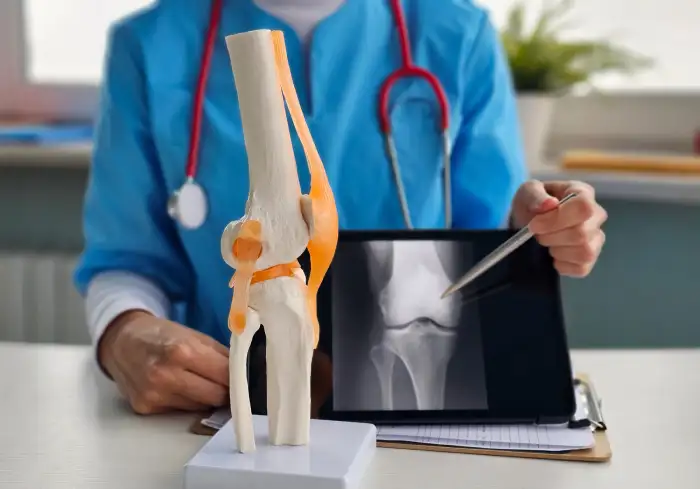
What Is a Bone Health Assessment?
A bone health assessment is a comprehensive evaluation used to determine the strength of your bones, identify risk factors for osteoporosis and estimate your likelihood of sustaining fractures.
The results of this assessment allow your rheumatologist to determine whether treatment, lifestyle modifications or ongoing monitoring may be appropriate to reduce future fracture risk and maintain bone strength.

When Is a Bone Health Assessment Recommended?
A bone health assessment may be advised if you have risk factors that increase the likelihood of reduced bone density or fragility fractures.
Assessment may be appropriate if you:

Have experienced a fracture after a minor fall or injury
Are aged 65 years or older
Have other risk factors identified during your clinical assessment
Have rheumatoid arthritis or another inflammatory rheumatic condition
Have been taking corticosteroid medications for an extended period
Are postmenopausal
Have a family history of osteoporosis or hip fractures
Have experienced a loss of height or developed a stooped posture
Have medical conditions that affect bone metabolism or calcium absorption
Early assessment allows signs of bone conditions to be recognised before fractures occur and helps identify measures that may reduce future complications.

What Tests May Be Conducted to Assess Bone Health?
Your rheumatologist will typically recommend these types of tests:
Clinical Risk Assessment
The assessment begins with a review of factors known to influence bone health and density, including your age, medical conditions, medications, previous fractures, family history and lifestyle habits. These findings help determine your overall fracture risk and whether additional investigations are required.
Developing Treatment Plans
Creating individualised treatment plans that may include medications, physical therapy, lifestyle modifications, and, in some cases, surgical interventions.
Bone Mineral Density Scan (DEXA)
A dual-energy X-ray absorptiometry (DEXA) scan measures bone mineral density at selected areas such as the hip and spine. This painless, low-dose imaging test helps determine whether your bone density is within the expected range or whether osteopenia or osteoporosis may be present.
Blood Tests
Blood investigations may be performed to identify medical conditions that contribute to bone loss or interfere with normal bone metabolism. Depending on your clinical assessment, these may include tests evaluating calcium balance, vitamin D levels, kidney function, thyroid function or other factors affecting bone health.
No single investigation provides a complete assessment of bone health. Test results are considered together with your clinical findings and individual risk factors to determine your fracture risk and guide management recommendations.

What Happens After a Bone Health Assessment?
After your assessment is complete, your rheumatologist will explain the findings and discuss what they mean for your bone health.
Depending on the results, recommendations may include:
Reassurance if your bone health is within the expected range
Medications to reduce bone loss and lower fracture risk
Lifestyle measures to support healthy bones, including nutrition and exercise
Calcium and vitamin D supplementation where appropriate
Follow-up monitoring with repeat assessments when indicated
This allows your doctor to tailor a care plan to your individual diagnosis, symptoms and treatment goals.
Comprehensive Bone Health Assessment at Aaria
Rheumatology
Bone loss can develop without obvious symptoms, and for some people, the first sign of weakened bones may be a fracture. Assessing your bone density and individual risk factors can help identify concerns earlier and guide appropriate measures to maintain bone strength and reduce future fracture risk.
At Aaria Rheumatology, patients receive personalised assessment and management for osteoporosis and other bone health concerns. As a rheumatologist, Dr Anindita Santosa evaluates your bone density, medical history and fracture risk to determine appropriate treatment, lifestyle measures or ongoing monitoring.
If you are concerned about bone loss or have risk factors for osteoporosis, book an appointment with Dr Anin for a comprehensive bone health assessment.
