
Many autoimmune diseases begin quietly.
A person may notice unusual fatigue that doesn’t improve with rest. Fingers may feel stiff in the morning. A rash might appear and disappear without explanation. Because these symptoms are subtle, many people dismiss them as stress, ageing, or simply a busy lifestyle.
Yet these seemingly minor symptoms can sometimes represent the early stages of an autoimmune disease. Conditions such as rheumatoid arthritis, lupus, and psoriatic arthritis often develop gradually before clearer symptoms appear.
World Autoimmune Awareness efforts aim to highlight this challenge. Recognising early symptoms can help people seek medical advice sooner and receive appropriate care before complications develop.
Key Takeaways
- Autoimmune diseases occur when the immune system attacks healthy tissues
- Early symptoms are often subtle and easily overlooked
- Persistent fatigue, joint stiffness, or rashes should be evaluated
- Early diagnosis can significantly improve long-term outcomes
What Are Autoimmune Diseases?
The immune system normally protects the body from infections and harmful organisms.
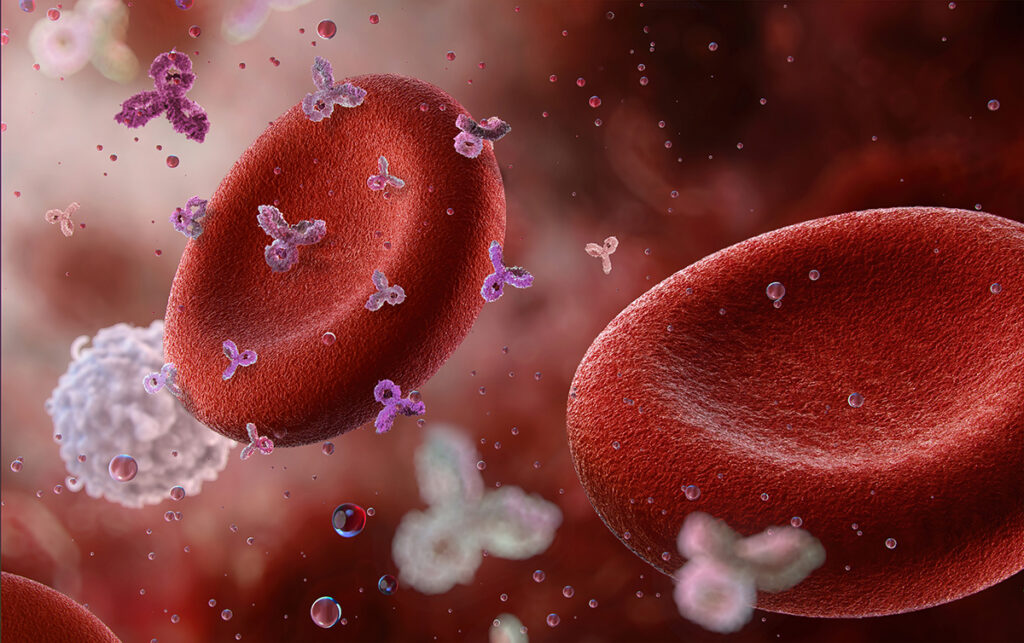
In autoimmune diseases, however, the immune system mistakenly identifies the body’s own tissues as a threat and launches an inflammatory response. This can affect many organs and systems, including joints, skin, blood vessels, and internal organs.
Common autoimmune rheumatic diseases include:
- Rheumatoid arthritis
- Systemic lupus erythematosus
- Psoriatic arthritis
- Sjögren’s syndrome
- Ankylosing spondylitis
Although each condition has its own features, they share a common characteristic: chronic inflammation driven by immune dysregulation.
Why Early Symptoms Are Often Missed
Autoimmune diseases are frequently diagnosed later than they should be. Several factors contribute to this.
-
Symptoms Are Non-Specific
Early symptoms often include fatigue, mild joint pain, headaches, or vague muscle aches. These are common experiences in everyday life, making it difficult to distinguish normal discomfort from early disease.
-
Symptoms May Come and Go
Autoimmune conditions often follow a pattern of flares and remission. Symptoms may improve temporarily before returning, which can delay recognition.
-
Many Conditions Are Invisible
Inflammation inside joints or organs may not be visible externally. Patients may feel unwell even when there are few obvious physical signs.
Early Warning Signs Worth Paying Attention To

Although symptoms vary between conditions, several patterns deserve attention.
These include:
- morning stiffness lasting longer than 30–60 minutes
- joint swelling or tenderness
- persistent fatigue
- unexplained rashes
- recurrent mouth ulcers
- dry eyes or dry mouth
- unexplained fevers
Symptoms lasting longer than six weeks should be evaluated.
Why Early Diagnosis Matters
Early diagnosis allows doctors to control inflammation before it causes lasting damage.
For example, in rheumatoid arthritis there is often a “window of opportunity” in the first months of disease where treatment can significantly slow progression.
Early treatment may:
- reduce long-term joint damage
- improve physical function
- prevent complications affecting organs
- improve quality of life
Recognising Early Autoimmune Symptoms for Better Outcomes
Autoimmune diseases rarely begin with dramatic clinical signs; instead, they often emerge quietly through fatigue, stiffness, or subtle physiological changes that are easily dismissed as everyday aches. Paying attention to these persistent patterns and seeking a specialist medical evaluation early is essential for long-standing health.
At Aaria Rheumatology, we help patients achieve diagnostic clarity through thorough clinical assessment and careful evaluation. Led by Dr Anindita Santosa, our approach emphasises early detection, clear explanation of findings, and personalised treatment plans tailored to your needs.
Autoimmune symptoms should never be dismissed without understanding their cause. If you’re experiencing persistent fatigue, unexplained inflammation, or symptoms that simply do not resolve, schedule an appointment with us today.
Frequently Asked Questions About Autoimmune Diseases
Can autoimmune diseases develop suddenly?
Most autoimmune diseases develop gradually, although symptoms may appear suddenly during flares.
Are autoimmune diseases hereditary?
Genetics can increase susceptibility, but environmental factors such as infections and stress may also play a role.
Can lifestyle changes help autoimmune diseases?
Healthy sleep, regular exercise, stress management, and balanced nutrition can support overall immune health, although medical treatment is often necessary.
Which doctor diagnoses autoimmune diseases?
Rheumatologists specialise in diagnosing autoimmune diseases that affect joints, muscles, and connective tissues.
Disclaimer:
This article is intended for educational purposes only and should not replace professional medical advice. If you experience persistent symptoms, please consult a qualified healthcare professional.